
When we think about keeping a home clean, we often focus on tools like vacuum cleaners, microfiber cloths, spray bottles, and floor mops. Cleanliness is usually seen as continuous physical chores. However, if a home needs constant cleaning to look presentable, it may have a structural flaw. The physical aspects of your house affect how much dirt, dust, and biological growth accumulate inside. Shifting your mindset from cosmetic cleaning to structural prevention can prevent messes before they enter your home. A well-maintained home envelope shields against debris, while smart material choices prevent grease, food waste, and water accumulation.
Master the Airflow: Structural Defense Against Dust and Allergens
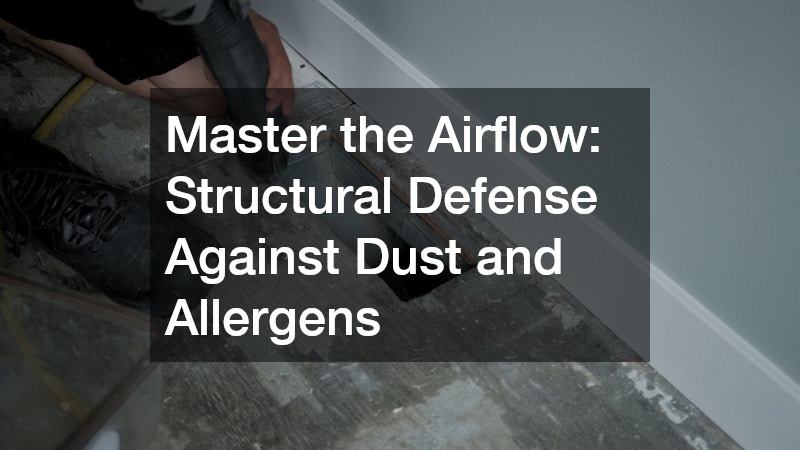
The vast majority of airborne dust in a home does not originate from human skin cells, contrary to popular belief. Instead, it is a combination of outdoor particulate matter, microscopic fibers shedding from building materials, and debris pulled from the home’s unconditioned spaces. When a house breathes poorly, it acts like a giant vacuum, drawing unwanted debris into the rooms where you sleep and eat.
To stop this influx, you must first address the “stack effect.” This natural phenomenon occurs when warm air rises and escapes through upper levels or the roof, creating negative pressure on the lower levels. This pressure pulls raw, unfiltered air into your living spaces through unsealed crawl spaces, rim joists, and attic access hatches.
- Perform a DIY Flashlight Test: On a dark night, turn off all interior lights and pass a high-powered flashlight along your baseboards, window casings, and external door frames. If you see light escaping or dust dancing in a localized draft, you have found an air breach that is constantly introducing outdoor pollution. Sealing these areas with high-quality silicone caulk or expanding foam is the first line of defense.
- Upgrade Utility Hatches: Ensure that any access doors leading to the attic or crawl space are equipped with heavy-duty weatherstripping and latch mechanisms that compress the seal tightly when closed.
Beyond sealing the exterior shell, the layout and composition of your central heating and cooling distribution lines play a massive role in indoor air purity. Older homes often rely on flexible, ribbed ducting behind the walls. This corrugated material creates internal friction, forcing dust, pet dander, and pollen to settle inside the ridges. Every time the system kicks on, a burst of these trapped particles is sent airborne.
Investing in a professional duct installation that utilizes smooth-walled, galvanized metal pipes drastically reduces this internal accumulation. Smooth pipes offer no purchase for dust, ensuring that particulate matter travels all the way to a filter rather than settling in the walls. To maximize this setup, work with a certified technician to establish a regular maintenance loop. Routine professional HVAC service ensures that blower fans are free of sticky grease, drip pans are sterile, and the overall system pressure is balanced so that dirty air is efficiently extracted rather than redistributed.
Climate Control and Moisture Prevention
Airborne dust is a nuisance, but airborne moisture is a structural threat to cleanliness. High humidity levels create an ideal breeding ground for dust mites and mold spores, both of which can colonize drywall, upholstery, and carpets in a matter of days. Once mold takes hold within a wall cavity or along a window sill, standard surface cleaning becomes futile; the spores will continually release back into the home, creating persistent musty odors and health hazards.
Maintaining a strict indoor humidity level between thirty and fifty percent is critical for environmental purity. When a climate control system is improperly sized for a home, it often suffers from “short-cycling.” This means the unit turns on, quickly drops the air temperature, and shuts off before it has run long enough to pull moisture out of the air. The result is a cold, clammy house where mold thrives.
- Calibrate Airflow Balance: Ensure your return vents are completely unobstructed by furniture or drapes. A blocked return starves the system of air, preventing it from processing and dehumidifying the total volume of the home.
- Deploy Smart Circulation: Modern thermostats allow you to program the system fan to run independently of the cooling or heating cycles. Setting the fan to run for fifteen to twenty minutes every hour ensures continuous air movement through your filtration system, eliminating the stagnant pockets of air where mold thrives.
To keep these systems functioning as environmental purifiers, you must rely on targeted support. Working with experienced air conditioning services allows you to catch system imbalances before they translate into mold blooms. Technicians can clean the internal evaporator coils, which are hidden behind metal panels and frequently covered in a sticky film of fine dust and moisture that breeds bacteria.
Similarly, as seasons change, relying on certified heating contractors ensures that heat exchangers and humidification modules are structurally sound. A cracked heat exchanger or a leaking humidifier panel can introduce excess moisture or dangerous combustion byproducts into the airstream. Regular inspections ensure your heating infrastructure actively dries out potential trouble zones in the winter without compromising the purity of the air you breathe.
Smart Kitchen and Bath Material Upgrades

Kitchens and bathrooms are the most labor-intensive rooms to clean because they are exposed to organic waste, high heat, and heavy water use. The primary culprit behind hard-to-clean bathrooms and kitchens is the presence of grout lines and seams. Ceramic tile looks beautiful when first installed, but cement-based grout is highly porous. It acts like a hard sponge, absorbing dirty mop water, cooking grease, and soap scum, turning dark and stained over time.
To optimize these spaces for effortless cleanliness, structural upgrades should focus on eliminating joints entirely. Replacing tiled surfaces with solid-slab materials or large-format panels eliminates the tiny crevices where bacteria hide.
- Transition to Solid Backsplashes: Instead of using individual tiles behind the stove, install a single sheet of back-painted glass, stainless steel, or engineered stone. This creates a perfectly flat surface that can be wiped clean of cooking grease with a single swipe.
- Utilize Undermount Sinks: When replacing countertops, always choose an undermount sink over a drop-in model. Drop-in sinks have a raised lip that traps water, grime, and food particles. An undermount design allows you to wipe crumbs and liquids directly from the counter into the sink basin with zero obstruction.
Material selection is equally vital when updating your main prep surfaces. Many homeowners fall in love with the classic, variegated look of natural stone. However, installing premium marble countertops requires a clear understanding of material science. True marble is calcium carbonate, which makes it highly reactive to acids like lemon juice or vinegar, and its micro-porous structure easily absorbs oils, wine, and food colorings. If you choose this material, it requires a strict structural maintenance routine, including applying a high-grade fluoropolymer sealer every six to twelve months to fill the microscopic voids.
Flooring Overhauls for Low-Effort Maintenance

Floors bear the brunt of our daily lives, collecting everything from outdoor mud to pet hair and dropped food. If your flooring material is inherently absorbent or textured, it will store dirt rather than support its removal. Carpet is the most problematic flooring type for home cleanliness; it acts as a deep sink for allergens, locking pounds of dust, dander, and microscopic debris within its backing that standard vacuums simply cannot reach.
Replacing carpet with smooth, hard surfaces is the single most impactful flooring change you can make. However, even hard surfaces vary wildly in their cleanability. Wood flooring can warp if exposed to standing water, and the gaps between planks can fill with fine grit over time.
- Prioritize Seamless Materials: For high-moisture zones like mudrooms, kitchens, and laundry rooms, choose continuous sheet flooring over individual planks or tiles to eliminate moisture paths to the subfloor.
- Evaluate Texture Profile: While highly textured floors provide excellent slip resistance, they also catch the edge of mops and trap dirty water in their artificial grain. Opt for a matte, micro-textured finish that balances grip with easy wiping.
In high-traffic secondary spaces, professional linoleum flooring installation offers a durable and hygienic solution. Modern linoleum, made from natural ingredients like linseed oil and wood flour, has antimicrobial properties that resist bacteria and dust mites. Being homogeneous—color and material go all the way through—it does not show wear scars that can trap dirt.
For utility spaces like basements, workshops, or attached garages, high-performance epoxy floor coating is unmatched. Raw concrete floors break down into fine silica dust under foot and vehicular traffic. A multi-layer epoxy system seals the concrete, creating a glossy, non-porous shield that resists automotive fluids, chemical spills, and mud, allowing easy cleaning with a rubber squeegee and a damp mop.
Safeguarding Against Hidden Water Damage and Odors
Cleanliness is not just about what you can see; it is also about what you smell. Lingering, musty odors or a flat, stale scent in a home are almost always indicative of moisture accumulating where it shouldn’t. The plumbing grid within your walls represents a massive network of potential failure points where small, slow leaks can go unnoticed for months, quietly rotting wood and fueling hidden mold colonies.
A proactive approach to plumbing infrastructure involves moving from reactive crisis management to preventative structural stabilization. Small drips under a vanity sink or a slow-running toilet seal might seem like minor inconveniences, but they constantly raise the localized humidity of surrounding cabinetry and subflooring.
- Install Leak Detection Systems: Modern smart water valves can be spliced into your main water line. These devices monitor minute changes in water pressure and flow rate; if a pipe begins to drip slowly inside a wall cavity, the system alerts you via a smartphone app and can automatically shut off the main water supply.
- Inspect Waste Vent Stacks: Ensure your plumbing vent pipes, which exit through the roof, are clear of bird nests and leaf debris. A blocked vent stack causes sewer gases to be pulled back into the home through your sink and shower traps, creating persistent, unexplained odors.
Engaging a professional for plumbing repairs is essential to maintain the structural integrity of your home. A licensed technician can test and replace older supply lines with flexible PEX piping, eliminating joint welds where leaks often occur.
Give serious consideration to the main waste exit line. Contacting a drain cleaning business as a scheduled chore rather than infrequent emergency maintenance prevents major sewage backups. Hair, soap scum, and tree roots can obstruct your main sewer lateral. Scheduling hydro-jetting services every few years cleans the pipes, ensuring wastewater moves swiftly out instead of causing foul residues beneath your fixtures.
Outbuildings and Entryways: Stopping Dirt at the Perimeter

The final frontier of home cleanliness lies at the transition zones where the messy outdoor world meets your controlled indoor environment. If your entryways and attached outbuildings are structurally compromised, they act as conduits for windborne debris, insects, and fine dust. The garage is a notorious dust vector; it collects road salt, tire dust, and lawn chemicals, which are easily tracked into the main house via shoes.
To halt this migration of dirt, you must optimize the perimeter structures, starting with a tight seal on the main vehicular door.
- Deploy a Three-Zone Matting System: Place a heavy, abrasive scraper mat outside the door to strip large clumps of mud. Just inside the door, install a moisture-absorbing loop mat to dry shoe soles. Finally, place a micro-fiber tracking mat in the main hallway to catch remaining fine dust.
- Establish a Transition Zone Basin: If space permits, install a low-profile drop-pan or boot tray right at the entrance. Enforcing a strict “no shoes past the tray” policy keeps eighty percent of outdoor pesticides, heavy metals, and soil out of your living rooms.
When the heavy external barrier fails to close flush against the concrete apron, it leaves a gap that invites drafts and rodents inside. Investing in proper garage door repair is crucial for keeping this zone clean. A technician can replace worn bottom rubber bulbs, realign the side tracks to ensure a tight seal against the jamb, and balance the torsion springs so the door closes with adequate force to seal the gap completely. By transforming your garage from a drafty area into a sealed zone, you create a barrier that stops dirt before it ever reaches your kitchen door.
Optimizing a home for cleanliness is a smart long-term investment in time, health, and property value. Messy homes often result from porous materials, leaky air pathways, unsealed floors, and moisture zones that trap debris. Addressing these vulnerabilities changes how your home handles dirt. Smooth-walled air systems use high-efficiency filters to capture airborne dust. Non-porous flooring and solid countertops prevent mold, grease, and bacteria growth. Securing plumbing and exterior portals keeps moisture and pollution out. Transitioning from constant maintenance to passive defense doesn’t have to be immediate. Evaluate your home’s weak points to prioritize upgrades. These enhancements create an efficient environment that stays clean with less effort, supporting you and reclaiming your time.