
In an age defined by hyper-consumerism, constant digital connectivity, and relentless accumulation, our living spaces often become physical manifestations of our internal overwhelm. Closets overflow with unworn garments, countertops disappear beneath stacks of mail and unused appliances, and storage rooms turn into secondary holding cells for possessions we neither use nor truly enjoy. This visual and physical noise generates subtle, perpetual friction in our daily lives, elevating cortisol levels and contributing to decision fatigue.
Selective living is the conscious antidote to this default state of clutter. It is an intentional philosophy that reframes how we interact with our physical environment. Rather than asking how much stuff we can fit into a given square footage, selective living asks how little we actually need to thrive. It prioritizes spatial volume, natural light, structural integrity, and emotional resonance over sheer quantity of possessions.
The Psychology of Curation: Letting Go of Inherited and Unused Wealth

The path toward a curated, minimalist home is often blocked by psychological barriers rather than physical limitations. Sentimental attachment, inherited guilt, and the sunk-cost fallacy convince us to hold onto objects that no longer serve a purpose in our lives. We keep heirloom china sets that sit untouched in cabinets for decades, vintage coin collections hidden away in dark drawers, or heavy antique jewelry that does not match our modern personal style.
Holding onto unused items simply because they possess monetary or historical value creates invisible emotional weight. Selective living encourages us to reframe our relationship with inherited wealth. Possessions are meant to enhance life, not act as physical obligations. Releasing items that do not fit your current lifestyle allows those objects to find new homes where they will be appreciated, while simultaneously freeing up physical volume inside your living quarters.
Choosing to sell estate jewelry gathered from past generations converts unused, hidden clutter into funds for intentional home renovations or meaningful life experiences. Similarly, partnering with a reputable local coin buyer allows you to appraise inherited currency collections and liquidate physical clutter efficiently, turning static items into liquid capital.
- Audit Sentimental Keepsakes: Limit emotional items to a single, beautifully crafted memory box. Keep only the pieces that evoke immediate joy, rather than an entire set of inherited dinnerware.
- Convert Physical Wealth to Financial Freedom: Liquidate high-value, unused collectibles through certified appraisers to fund functional, high-impact home improvements.
- Decouple Memory from Material: Remind yourself that letting go of a physical object does not erase the memory or love associated with the person who gave it to you.
Architectural Simplicity: Creating Clean Lines and Integrated Storage
Once excess possessions are removed from the home, the focus shifts toward spatial architecture and interior flow. Minimalist interior design relies heavily on visual continuity. When every surface is broken up by freestanding storage units, exposed wiring, or overflowing utility racks, the eye cannot rest, creating an impression of disorder even in a clean room.
Achieving architectural simplicity requires integrated, hidden storage solutions that keep daily essentials accessible without leaving them on display. Built-in cabinetry that runs floor-to-ceiling, flush-panel doors without heavy hardware, and concealed media centers allow the structural lines of a room to remain uninterrupted.
Streamlining your storage systems also means organizing the functional hardware required to maintain a modern home. Organizing necessary electrical supplies in a dedicated utility closet prevents drawer clutter while ensuring quick access during home fixes. When tools, extra wiring, light fixtures, and testing meters have a designated, neatly labeled home out of sight, routine maintenance becomes fast and effortless.
- Prioritize Full-Height Built-Ins: Custom cabinetry that extends all the way to the ceiling eliminates the dust-collecting gap above standard cabinets while maximizing vertical storage capacity.
- Implement Concealed Cable Management: Route power cords, HDMI cables, and internet lines through interior wall chases to eliminate unsightly wire tangles behind media equipment.
- Establish Dedicated Utility Zones: Group maintenance hardware, spare bulbs, and diagnostic tools logically in clear, labeled containers within a single, dedicated storage cabinet.
Protecting the Minimalist Shell: Structural Resilience and Natural Light

A curated interior relies heavily on natural light to create a sense of openness, warmth, and tranquility. Dark, shadowy rooms feel smaller and more cluttered, whereas sunlight-drenched spaces highlight clean architectural lines and simple material palettes. Maximizing natural light requires expansive window openings and unobstructed sightlines to the outdoors.
However, incorporating large glass expanses into a home’s design introduces potential vulnerabilities regarding structural safety, thermal efficiency, and storm protection. In regions prone to severe weather, traditional storm protection often involves heavy, unsightly metal shutters or plywood panels that ruin a home’s exterior aesthetics and block natural light during storm seasons.
Modern building technology solves this dilemma through advanced fenestration engineering. Installing a high-performance impact window protects open-concept living spaces from storm damage without requiring unsightly external storm panels. These specialized multi-layer glass units withstand high-velocity wind debris while providing continuous UV protection, reduced outdoor noise pollution, and enhanced thermal insulation year-round.
- Opt for Frameless or Thin-Profile Glass Assemblies: Maximize visible glass area to draw the eye outward, seamlessly blurring the boundary between indoor living spaces and the surrounding landscape.
- Utilize Low-Emissivity Glass Coatings: Select window glazing with spectrally selective Low-E coatings that block solar heat gain while permitting maximum visible light transmission.
- Eliminate Heavy Window Drapery: Replace dust-collecting, multi-layered drapes with clean, motorized shade systems that roll completely out of sight when open.
Outdoor Minimalist Living: Uncluttering the Landscape
The principles of selective living should not stop at your exterior doors. A home’s surrounding landscape significantly influences how the property feels as a whole. Overgrown tree canopies, crowded shrubbery, decaying stumps, and poorly managed drainage create visual chaos and introduce physical hazards to the home’s primary structure.
Uncluttering your yard involves clearing away dead or dying vegetation, establishing clean lawn boundaries, and ensuring proper subterranean drainage around building foundations. Overgrown trees standing too close to a house block natural sunlight, drop debris onto rooflines, and send aggressive root systems toward underground utility lines and concrete footings.
Scheduling professional tree removal for dead or overcrowded oaks opens up natural yard light while preventing root damage to home foundations. Beneath the surface, coordinating municipal or large-property manhole rehabilitation prevents hidden subterranean water leaks from damaging surrounding land, ensuring that underground drainage networks function flawlessly behind the scenes.
- Establish Clear Canopy Heights: Trim lower tree branches up to eight feet off the ground to open up clear sightlines across your lawn and allow ambient light to reach ground-floor windows.
- Maintain Foundation Clearance: Keep a three-to-five-foot buffer strip of gravel or river rock between exterior plant beds and your home’s foundation to discourage pests and prevent moisture retention.
- Simplify Landscaping Palettes: Choose a restrained selection of native perennial plants rather than chaotic, multi-colored annual beds that demand constant maintenance and weeding.
Protecting the Sanctuary: Invisible Pest Control and Moisture Management

A truly peaceful home is one that functions quietly and reliably without hidden structural threats destroying its integrity. Minimalist living focuses heavily on preventative maintenance—implementing invisible systems that protect the building shell before catastrophic damage occurs.
Subterranean pests like termites represent one of the most destructive threats to a residential structure. They hollow out internal wall studs, floor joists, and roof trusses silently behind drywall, often going unnoticed until structural integrity is severely compromised. Managing this risk requires a continuous, professional defense strategy.
Investing in professional termite control provides invisible, continuous defense for wooden framing without cluttering your living space with messy traps, spray cans, or unsightly bait stations. Paired with proper perimeter ventilation and moisture barriers, professional pest management ensures the structural skeleton of your home remains pristine for generations.
- Schedule Annual Subterranean Audits: Have a certified technician inspect crawlspaces, basements, and foundation perimeters annually for mud tubes or moisture intrusion.
- Control Crawlspace Humidity: Install heavy-duty 20-mil vapor barriers and dedicated dehumidifiers in crawlspaces to eliminate the damp environments that attract wood-destroying organisms.
- Eliminate Wood-to-Soil Contact: Ensure deck posts, door frames, and wooden siding sit at least six inches above bare soil to prevent easy pest entry pathways.
Expanding Functional Outdoor Living: Decks and Drainage Systems
A key element of modern minimalist home design is expanding usable living space into the outdoors. An elevated deck or rear patio serves as an outdoor living room, offering a seamless transition for morning coffee, evening relaxation, or quiet dining without adding enclosed, high-maintenance interior square footage.
However, multi-level decks often present a functional problem: the area directly beneath a second-story deck frequently becomes a dark, damp, muddy wasteland exposed to rainwater dripping through upper deck boards. This renders lower-level patio space useless for half the year and encourages mold and wood rot.
Completing a specialized deck drainage project keeps the space beneath your second-story deck dry, clean, and functional for outdoor storage or an additional covered seating area. By installing sloped under-joist funnel paneling and a concealed perimeter gutter system to capture and divert rainwater away from the foundation, you double your usable outdoor living footprint without expanding your home’s physical roofline.
- Select Low-Maintenance Composite Materials: Use high-density composite decking boards that resist fading, splintering, and staining without requiring annual chemical sealing or painting.
- Incorporate Recessed LED Deck Lighting: Install subtle step lights and under-rail LED strips to maintain clean architectural visibility during evening hours without glaring floodlights.
- Divert Water Far From the Slab: Ensure under-deck downspouts discharge water at least ten feet away from house footings into rain gardens or underground drainage pipes.
Alternative Minimalist Structures: Modern Barndominiums and Activity Spaces
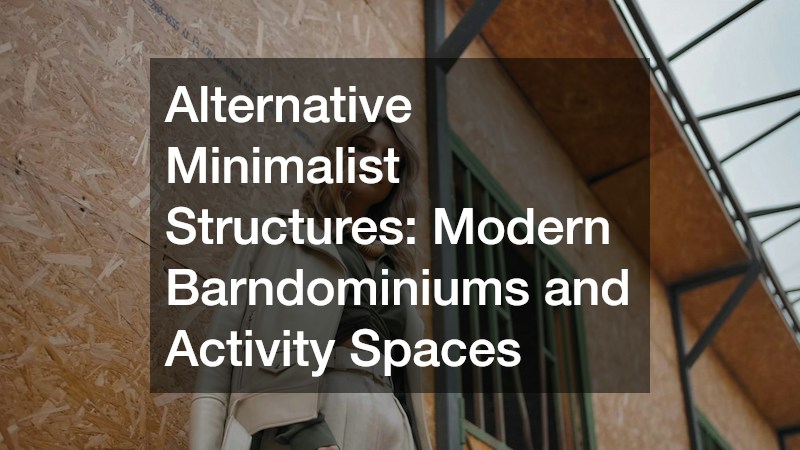
For homeowners looking to embrace selective living through a fresh build or a complete property redesign, alternative architectural frameworks offer incredible freedom. Traditional stick-built homes are often constrained by complex internal load-bearing walls, chopped-up floor plans, and steep maintenance requirements.
Modern barndominiums—steel-framed or post-frame residential structures—have emerged as a premier choice for minimalist living. These buildings feature massive clear-span trusses, allowing for wide-open floor plans, soaring cathedral ceilings, and flexible interior layouts that can be updated over time without structural alterations.
Working with a local barndominium builder helps you design an expansive, open-concept steel home free from internal load-bearing walls, tailored precisely to your functional needs. On the surrounding grounds, planning a low-maintenance synthetic athletic field install provides a clean, green recreation zone that eliminates constant lawn mowing, fertilizing, and irrigation requirements.
- Capitalize on Clear-Span Interiors: Design large, flexible great rooms that combine kitchen, dining, and living areas into a single airy space anchored by natural light.
- Incorporate High-R Insulation Packages: Utilize spray foam insulation across steel building envelopes to eliminate thermal bridging and create an airtight, ultra-quiet living environment.
- Design Integrated Workshop Garages: Use the structural capacity of a barndominium to incorporate clean, oversized utility bays for vehicles, hobbies, and gym equipment under a single roofline.
The Maintenance Mindset: Systems to Keep Clutter Away Permanently
Designing a curated home is not a one-time event; it is an ongoing operational discipline. Without intentional habits, physical items naturally accumulate over time through birthdays, holidays, shopping sprees, and work projects. Maintaining a minimal home environment requires clear rules that govern what enters and leaves your living space.
Adopting a maintenance mindset means viewing your home as a curated gallery rather than a storage warehouse. Every item brought across the threshold should have a designated purpose, an assigned storage location, and a clear reason for being there. Utilizing a structured four-box decluttering method—sorting items systematically into keep, donate, sell, and trash categories—helps ensure that functional belongings are retained, high-value collectibles are liquidated, and unusable items are permanently removed.
- The “One In, One Out” Rule: Whenever you bring a new piece of clothing, kitchen appliance, or decorative object into your home, donate, sell, or recycle an existing item to maintain spatial equilibrium.
- Establish a 30-Day Holding Period: Before making non-essential purchases, wait 30 days. If the desire or need for the item remains strong after a month, proceed intentionally; more often than not, the impulse passes.
- Conduct Seasonal Declutter Audits: At the beginning of spring and autumn, walk through every room with a donation box. Clear out items that have sat unused over the previous six months.
The art of selective living is ultimate empowerment over your personal environment. It is the conscious decision to reject the chaos of excess accumulation in favor of clarity, physical space, and daily tranquility. By systematically curating interior possessions, liquidating unused assets, organizing utility hardware, and securing the physical building envelope against weather and pests, you transform your home into a high-performance sanctuary.
A home designed around selective living holding only what truly matters demands less time to clean, less money to maintain, and less emotional energy to manage. It grants you the physical and mental space needed to focus on personal relationships, creative pursuits, health, and rest.
True luxury is not defined by how much you can accumulate within four walls; it is measured by the peace, freedom, and purpose felt when stepping inside a space designed thoughtfully for life.

