DIY home renovations have surged in popularity as homeowners look for ways to save money, personalize their spaces, and take pride in hands-on work. While small projects can be rewarding and manageable, larger renovations often come with hidden challenges that many people do not anticipate. Television shows and online tutorials may make upgrades look simple, but real-life renovations frequently involve complex steps, specialized skills, and safety considerations. When homeowners dive into projects without proper knowledge, the risk of costly mistakes increases significantly.
Choosing to take on a project without understanding the full scope can also lead to long-term issues that affect both the home’s value and its structural integrity. From electrical hazards to structural miscalculations, the potential dangers of going all in on DIY extend far beyond temporary inconvenience. Being aware of these risks ahead of time allows homeowners to decide which tasks they can safely handle and which are better left to professionals. The goal is not to discourage DIY entirely, but to help homeowners make informed, responsible choices that protect their time, safety, and investment.
Underestimating Project Complexity

One of the most common mistakes homeowners make when attempting DIY renovations is underestimating how complex a project truly is. What may appear straightforward at first glance often involves layers of planning, technical knowledge, and intricate steps. Without understanding the full process, homeowners may start a project confidently only to discover midway that they lack the tools, skills, or experience needed to complete it correctly. This mismatch between expectation and reality can lead to incomplete work, frustration, or costly re-dos.
Complex projects also often involve systems that must be handled with precision, such as plumbing. Even a minor mistake—an improperly sealed joint, a misaligned pipe, or an overlooked leak—can lead to significant water damage or mold growth down the line. These issues can spread quickly and affect multiple areas of the home, turning a simple DIY attempt into an expensive repair job. Recognizing when a project requires specialized expertise helps homeowners avoid complications and protects the home’s overall integrity.
Overlooking Safety Risks in the Home
DIY renovations also come with safety risks that many homeowners overlook, especially when dealing with heavy materials, power tools, or structural components. Without proper training, there’s a higher chance of injuries caused by falls, electrical shocks, or mishandling equipment. Safety protocols that professionals use regularly—like wearing protective gear, using stabilizing equipment, or shutting off utilities—may be unfamiliar to someone tackling a project for the first time. These risks can turn an otherwise simple renovation into a dangerous situation if not handled carefully.
Even materials that seem harmless can pose risks when installed incorrectly, such as floor tiles. Improper installation techniques can lead to sharp edges, uneven surfaces, or tiles that crack easily under pressure. These hazards not only create safety concerns but also diminish the quality and durability of the finished project. Paying close attention to proper installation methods and understanding the risks involved is crucial for homeowners committed to doing work themselves.
Misjudging Required Time Commitments
Many homeowners begin DIY renovations expecting to complete them quickly, only to discover that even simple projects take significantly longer than anticipated. Tasks like demolition, measuring, leveling, sanding, or waiting for materials to cure often require more time and precision than beginners realize. When homeowners underestimate these time commitments, they may rush through important steps, leading to uneven finishes, poor craftsmanship, or incomplete work. These delays can disrupt daily routines and create extended periods of inconvenience within the home.
Time mismanagement becomes even more challenging when projects involve premium materials such as a granite counter. Installing something this heavy and fragile requires careful handling, proper support structures, and precise measurements. Attempting this work without adequate preparation or sufficient time increases the likelihood of damage, improper alignment, or injury. Understanding the true time investment needed for each step helps homeowners realistically assess whether DIY is the right approach or if hiring a professional will produce better, more efficient results.
Choosing Incorrect Materials or Tools
Selecting the right tools and materials is essential for any renovation, yet many DIYers struggle with this step. Using the wrong adhesive, fasteners, or surface treatments can compromise the durability, appearance, and safety of the final product. Likewise, attempting a project with inadequate tools often leads to uneven cuts, poor installation, and increased frustration. Without professional guidance, homeowners may inadvertently choose materials that are incompatible with their home’s structure or climate conditions, resulting in repairs sooner than expected.
This challenge is especially evident with specialty materials such as cultured marble, which requires specific cutting techniques, adhesives, and installation methods to ensure long-lasting performance. A misstep during installation can cause cracks, uneven seams, or weakened surfaces that fail prematurely. Professionals understand how various materials behave and what tools are necessary to work with them safely and effectively. Evaluating these requirements ahead of time helps homeowners decide whether a project is manageable on their own or would benefit from expert handling.
Causing Unintentional Structural Damage
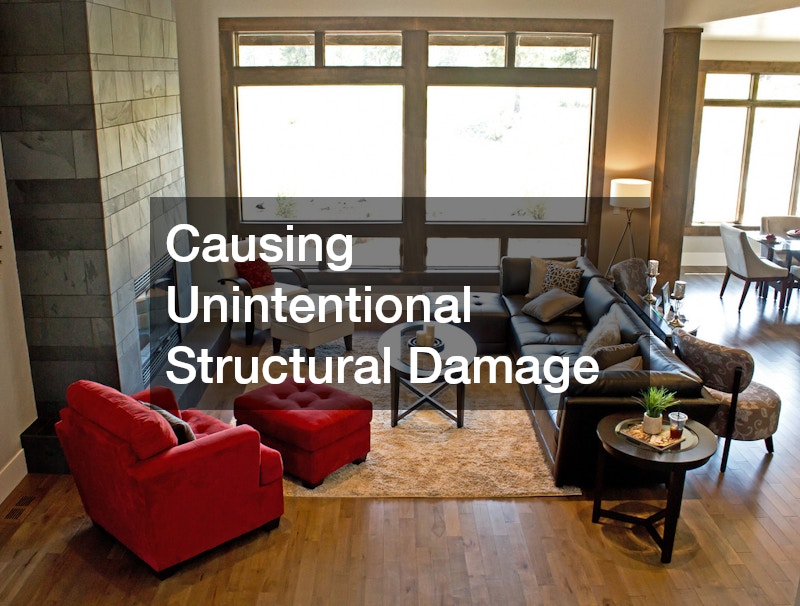
Some DIY projects may appear cosmetic on the surface but can unintentionally impact the structural integrity of a home. Removing walls, cutting through supports, altering load-bearing elements, or improperly sealing exterior features can lead to long-term structural issues. Even drilling into the wrong stud or misjudging electrical and plumbing lines can result in hidden damage that compromises the safety and stability of the home. Without professional training, it is easy to overlook the technical requirements that keep a structure sound.
This risk is particularly high when homeowners attempt projects involving roofing services. The roof is one of the most critical parts of a home’s structure, and improper installation or repair can lead to leaks, insulation problems, and even collapse in severe cases. Damage often goes unnoticed until it becomes extensive, making professional intervention far more expensive later. Recognizing the structural implications of renovation decisions ensures that homeowners protect both the safety and long-term value of their property.
Failing to Meet Building Codes and Permits
Many homeowners are unaware that even small renovations often require permits or must follow specific building codes. These regulations exist to protect the safety, structural integrity, and long-term functionality of a home. When DIY projects bypass these requirements, homeowners risk fines, mandatory rework, or complications during future home sales. Failing an inspection can delay a renovation significantly and may require tearing down newly completed work to correct violations. What begins as a money-saving project can quickly become more expensive than hiring a professional from the start.
Compliance issues become especially risky when homeowners attempt major modifications involving a roofing company or structural changes that must meet strict standards. Roof-related work, for example, must follow local regulations regarding load requirements, ventilation, flashing, and weatherproofing. Improper installation may not only fail inspection but can also result in denied insurance claims or decreased property value. Understanding how codes apply to your project—and when to seek professional help—ensures both safety and legal protection throughout the renovation.
Compromising Long-Term Home Value

DIY projects that are completed with shortcuts, improper techniques, or mismatched materials can significantly reduce a home’s market value. Potential buyers often notice uneven finishes, poor workmanship, or nonstandard installations, which raise questions about the home’s overall maintenance. While DIY work can be appealing when done well, poorly executed renovations often require buyers to invest additional money to correct issues, reducing the home’s appeal and final selling price. In some cases, mistakes made during DIY renovations can even void warranties on appliances, flooring, or structural components.
Critical home systems are especially vulnerable to value loss when handled incorrectly, such as residential roof repair performed without proper training or safety measures. A compromised roof impacts insulation, energy efficiency, and structural stability, all of which are major considerations during home inspections. Even if the damage isn’t immediately visible, buyers and inspectors may identify issues that signal deeper problems. Protecting long-term home value means recognizing when a renovation exceeds DIY capability and requires professional workmanship to ensure lasting results.
Encountering Hidden Electrical or Plumbing Issues
Behind walls, floors, and ceilings lie essential systems that many DIYers do not fully understand. Accidentally cutting into electrical wiring, plumbing lines, or ventilation systems can lead to dangerous and expensive problems. These issues may not be immediately visible, allowing undetected leaks, electrical shorts, or mold growth to worsen over time. Homeowners who lack experience working with these systems can inadvertently create hazards that jeopardize both safety and property value. What seems like a minor oversight can quickly escalate into a major repair.
Projects involving roofing services are especially prone to uncovering hidden issues, as roof structures often intersect with electrical components, exhaust ventilation, and moisture barriers. A DIY repair gone wrong may trap moisture, interfere with ventilation pathways, or expose wiring to water intrusion. These hidden problems not only require professional intervention but also pose serious safety risks if left unresolved. Understanding the complexity of behind-the-wall systems helps homeowners recognize the limitations of DIY and the importance of professional oversight for critical home components.
Increasing Overall Renovation Costs
One of the biggest misconceptions about DIY renovations is that they always save money. While this may be true for simple projects, more complex renovations often cost significantly more when attempted without professional expertise. Mistakes such as inaccurate measurements, incorrect installations, and improper material handling frequently require redoing the work—sometimes multiple times. These errors can also lead to additional damage, such as cracked fixtures or broken framing, which further increases expenses. Instead of saving money, homeowners may find themselves spending far more than they would have if they had hired a professional from the start.
Even the logistics of managing a renovation can add to the overall cost. For example, many DIYers rely on services like a local dumpster rental to manage debris generated throughout the project. While helpful, this adds another layer of expense that must be budgeted for carefully. Improper disposal of materials, delays in project timelines, or overfilling rental dumpsters can lead to extra fees and logistical headaches. When combined with the cost of tools, materials, and corrections, these added expenses often make DIY much more costly than anticipated. Understanding these risks encourages homeowners to realistically evaluate whether professional support may offer better long-term value.
Knowing When to Call a Professional Instead
One of the most important skills in home renovation is recognizing your own limitations. While tackling smaller DIY tasks can be empowering and budget-friendly, larger or more technical projects require trained expertise. Calling a professional is not a sign of failure—it is a responsible decision that protects the home from long-term damage and ensures the work is completed safely and correctly. Professionals bring years of experience, specialized tools, and an understanding of building codes that the average homeowner may lack. Their involvement often leads to higher-quality finishes and greater peace of mind.
Some projects, such as work requiring heavy machinery or ground alteration, absolutely demand professional intervention. Hiring an excavation service is essential for tasks like grading, trenching, or preparing foundations, as these jobs involve precise measurements, safety protocols, and knowledge of underground utilities. Attempting this kind of work without proper training can result in severe property damage or personal injury. Understanding when to step back and bring in experts helps keep renovation projects on track and safeguards both your investment and your safety.
DIY home renovations can be rewarding, cost-effective, and enjoyable—when done within one’s capabilities. However, the dangers of going all in on DIY without proper preparation can far outweigh the benefits. From underestimating complexity to overlooking critical safety concerns, many homeowners encounter unexpected challenges that lead to stress, added costs, or long-term damage to the property. Modern homes include sophisticated systems that require knowledge, precision, and experience, and DIY mistakes can compromise everything from structural integrity to resale value. Recognizing these risks is the first step toward making more informed renovation decisions.
The deeper concern lies in projects that involve electrical, plumbing, roofing, or structural work, where mistakes are especially costly and hazardous. Improper installations can cause hidden problems that only become apparent months or years later, often requiring expensive professional repairs. These hidden dangers reinforce the importance of understanding when a project is best left to trained experts. A skilled contractor not only completes the job safely but also ensures compliance with building codes, protecting you legally and financially.
Ultimately, responsible home improvement means balancing ambition with practicality. Homeowners should feel proud of the work they can accomplish themselves, but equally proud of knowing when to seek help. Calling in professionals at the right moments safeguards your home, improves long-term outcomes, and ensures that renovations enhance rather than diminish the value of your investment. By approaching DIY thoughtfully and realistically, you can achieve beautiful, lasting results while maintaining the safety and integrity of your home.